



Heat Mapping! A new way to specify the utility van… Save time, save money, save resources!

-
Heat Mapping! A new way to specify the utility van… Save time, save money, save resources!
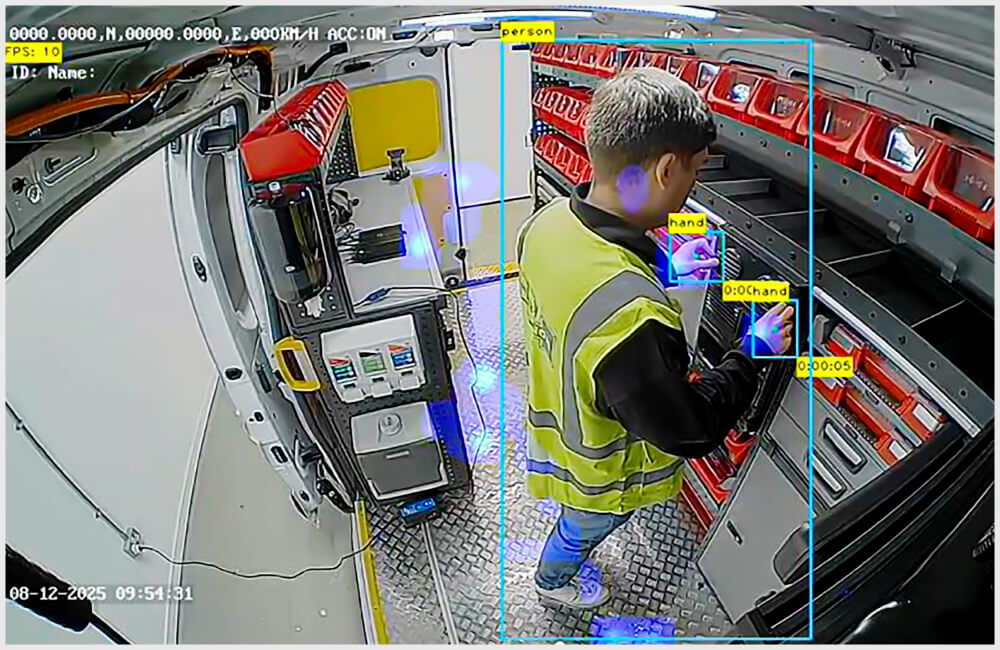
Modul Workspace Intelligence measures how engineers use the load space, so utility fleets can specify their next build on evidence.
Every utility fleet manager knows the pattern. A specification is signed off, the build is repeated across several hundred vans, and somewhere between the design office and the first callout, small inefficiencies appear. A fitting used on most jobs sits at the bulkhead instead of by the side door. Essential equipment is buried behind stock. Parts are carried for a scenario that comes up twice a year. Engineers stretch, bend and climb in and out of the load space more than they need to, at the roadside, in all weathers. On one vehicle it looks trivial. Across a fleet running the same build for years, it adds up in employee time, weight and opportunity costs.
Utility vans are harder to specify than most. A gas, water, power or telecoms engineer may attend planned work in the morning and an emergency in the afternoon, so the van carries everything for both. The specification draws on experience and what the last build taught everyone. That knowledge is valuable, but it rests on what we believe happens in the back of the van, because until now nobody could measure it. Modul-System UK is changing that.
Modul Workspace Intelligence
Modul Workspace Intelligence places a discreet camera system in the load space of a working vehicle for two weeks. It does not monitor the engineer. It measures the workspace, building a heat map of which tools and parts are taken most often, how the engineer moves through the vehicle, and which parts of the layout earn their space.
At the end of the audit the equipment is removed and the data is read alongside the job cards, so usage can be matched to planned, repair or emergency work. It answers a question no van fit-out has answered before: is the layout right for the job?
Layouts designed around how engineers work
The answers can be surprising. Prime storage positions hold items that are rarely touched. Frequently used tools end up in the least accessible places. Bins travel for years without being opened. Layouts tend to reflect how the vehicle was ordered, not how it is used.
With that evidence, layouts can be redesigned around recorded movement. Ergonomic problems that cause fatigue and injury risk can be designed out, which matters for engineers working alone with heavy kit at the kerbside. Standardisation becomes evidence-based rather than assumption-based. And every kilogram of unnecessary equipment comes off the vehicle, which matters for any 3.5-tonne van subject to DVSA roadside weight checks, and more still as utility fleets move to electric, where the battery reduces payload.
The first live trial
The first live trial runs with SGN, the gas distribution network, over the coming months, and the findings will feed directly into how SGN configures its next generation of service vehicles. For other utility operators, it points to a way of specifying vans that starts with data from vehicles in service, not the previous specification. For years, fit-outs have been built on what experience tells us. Soon they can be built on what the workspace itself tells us.
To find out what Modul Workspace Intelligence could show about your fleet, talk to us about how the audit works and what a data-led fit-out could deliver for your operation.